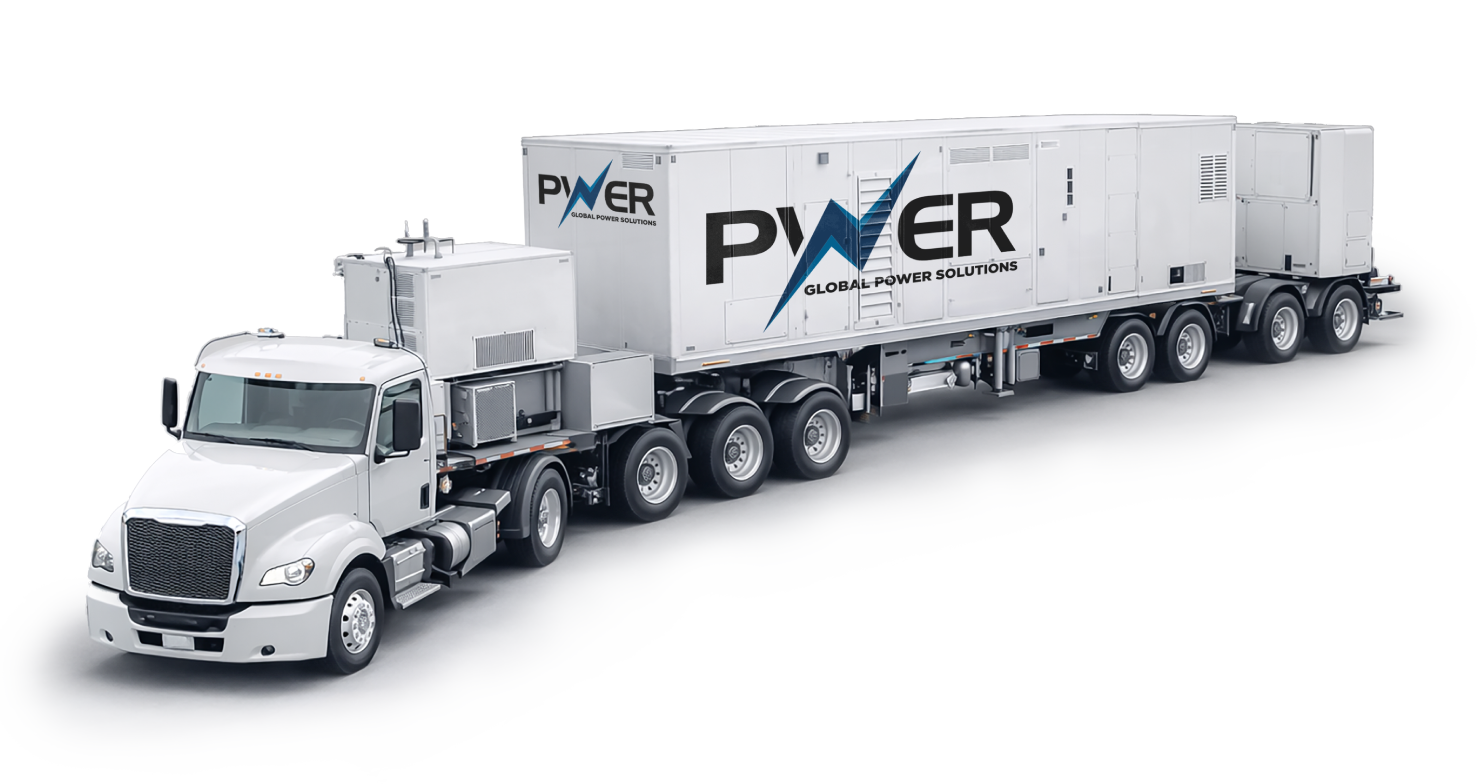

Modular generation systems designed to deliver dependable, dispatchable power where grid access is constrained.
Standardized infrastructure units that scale from initial deployment to multi-megawatt compute capacity.
Engineering and build strategies that enable phased growth with predictable performance.
Unified controls and real-time monitoring for power, environment, and performance across distributed sites.
The world is entering a period where electricity demand is growing faster than the infrastructure needed to supply it. As economies electrify transportation, industry, computing, and artificial intelligence systems, global power consumption is rising at a pace that traditional grid expansion struggles to match.
Global electricity demand reached approximately 29,471 terawatt-hours (TWh) in 2023, and is projected to grow more than 3–4% annually through the remainder of the decade, according to the International Energy Agency. At that pace, the world could require an additional 8,000–10,000 TWh of electricity by 2030.
Meeting this demand requires enormous infrastructure expansion. Analysts estimate the global power sector must invest more than $3 trillion annually in generation, transmission, and grid modernization by the early 2030s to keep pace with electricity growth. Even with these investments, large parts of the world are already experiencing power shortages, grid congestion, and long delays for new industrial projects seeking electricity connections.
As global electricity demand accelerates, the energy landscape is shifting toward distributed, rapidly deployable power systems capable of supplementing traditional grid infrastructure and delivering reliable electricity where it is needed most.
Electric vehicles and charging infrastructure are rapidly expanding, shifting energy consumption from petroleum to electricity.
The rise of AI and cloud computing is creating enormous new energy requirements. Global data-center electricity demand alone could more than double to around 945 TWh by 2030.
Heavy industry, manufacturing, and hydrogen production are increasingly transitioning from fossil fuels to electric power systems.
Rapid urban development, particularly across Asia, Africa, and Latin America, continues to increase baseline electricity demand.
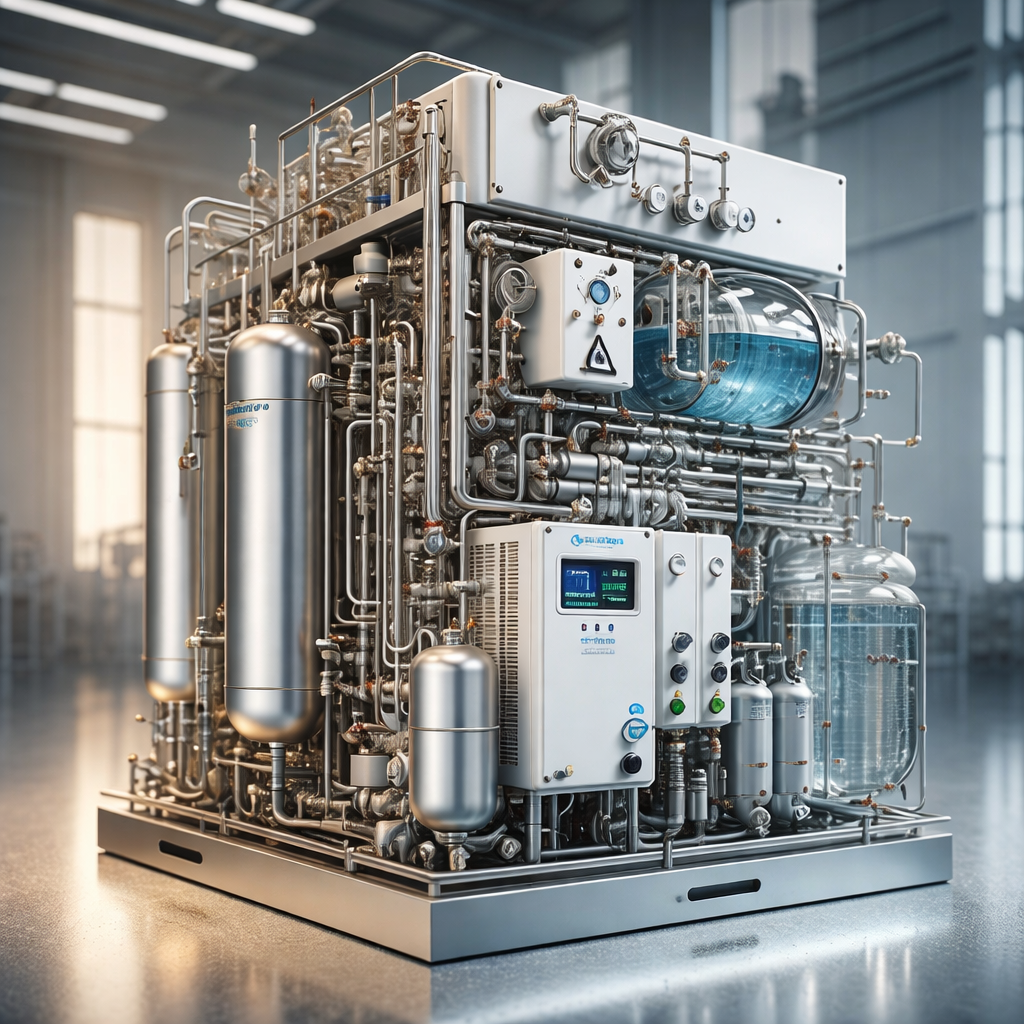
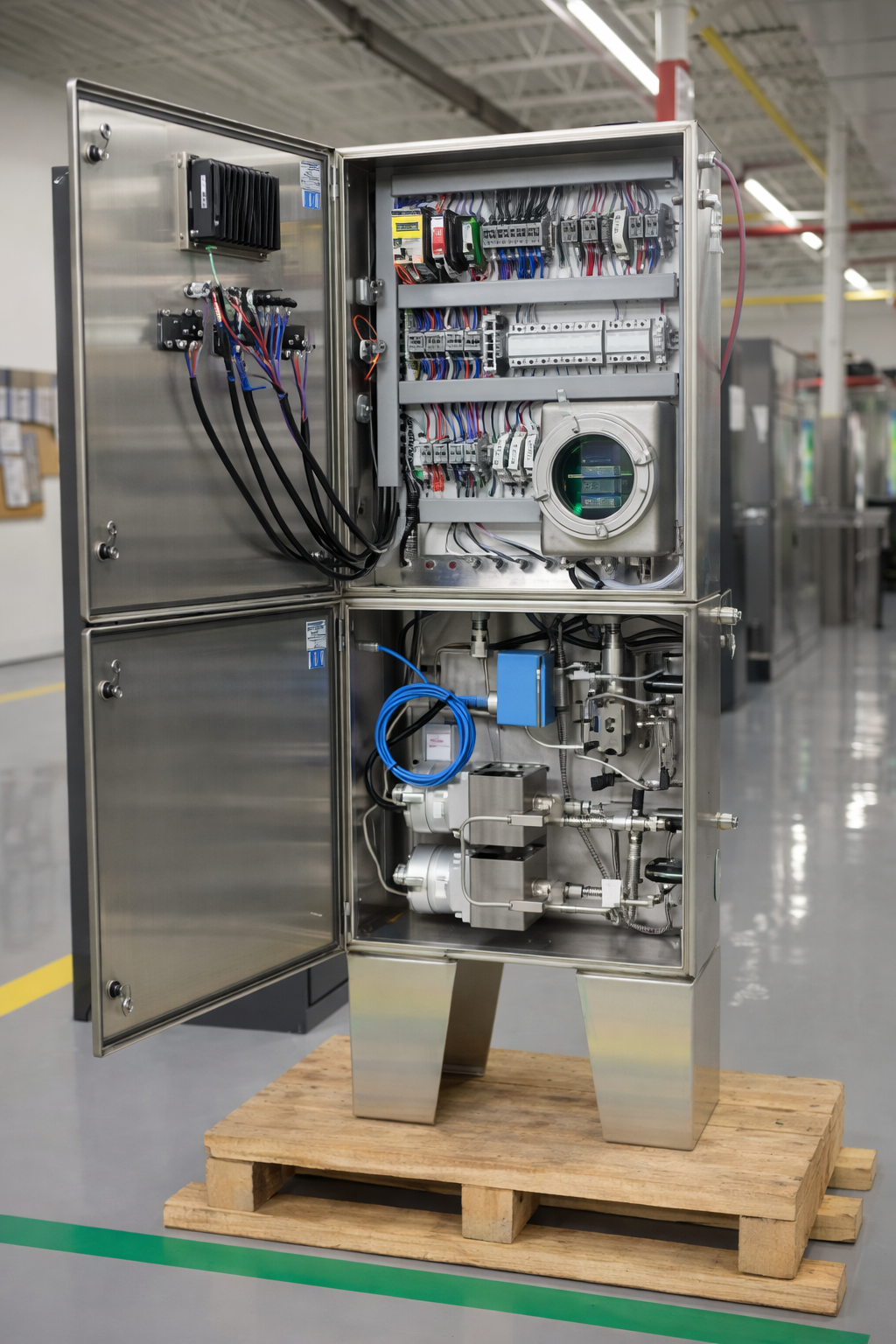
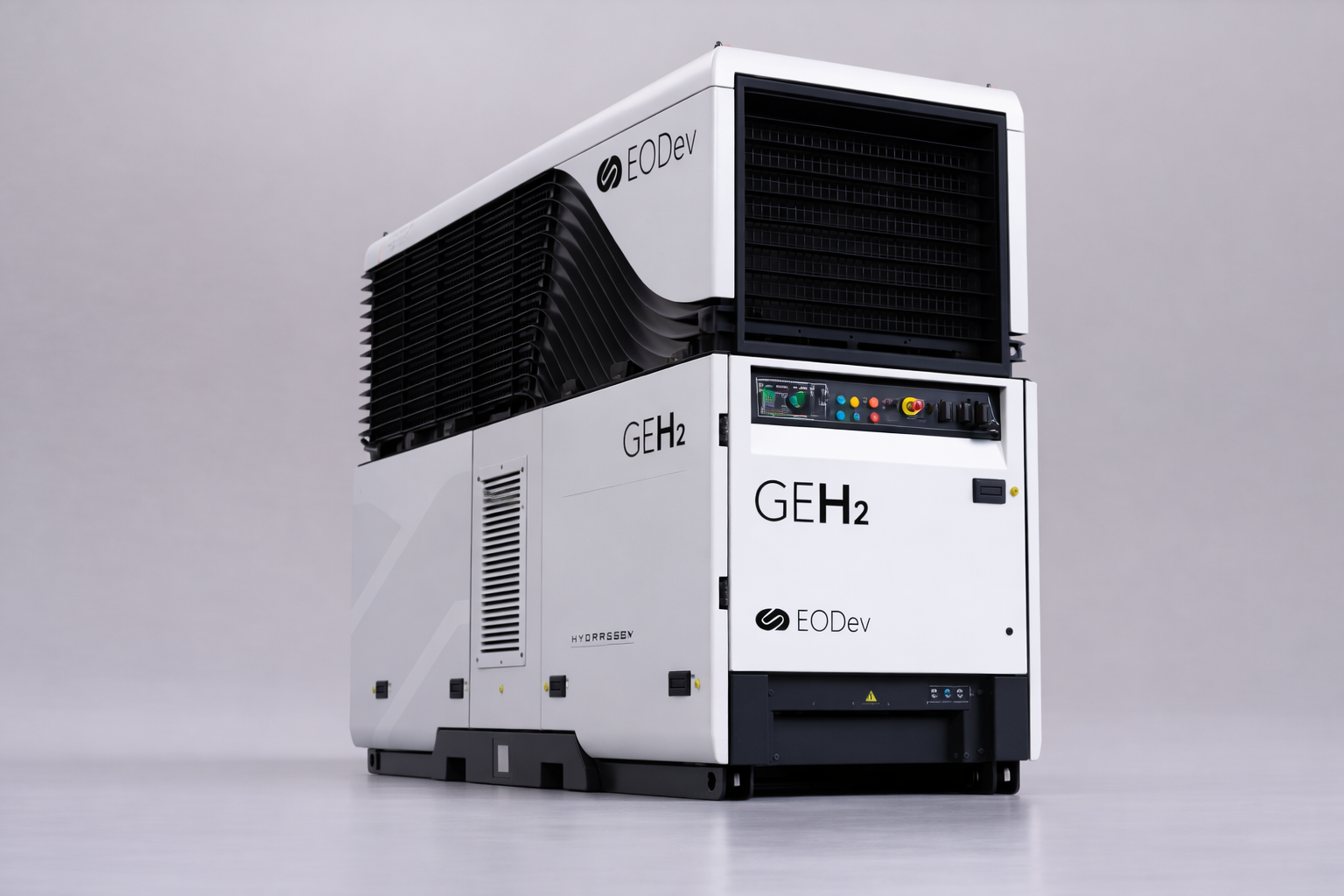
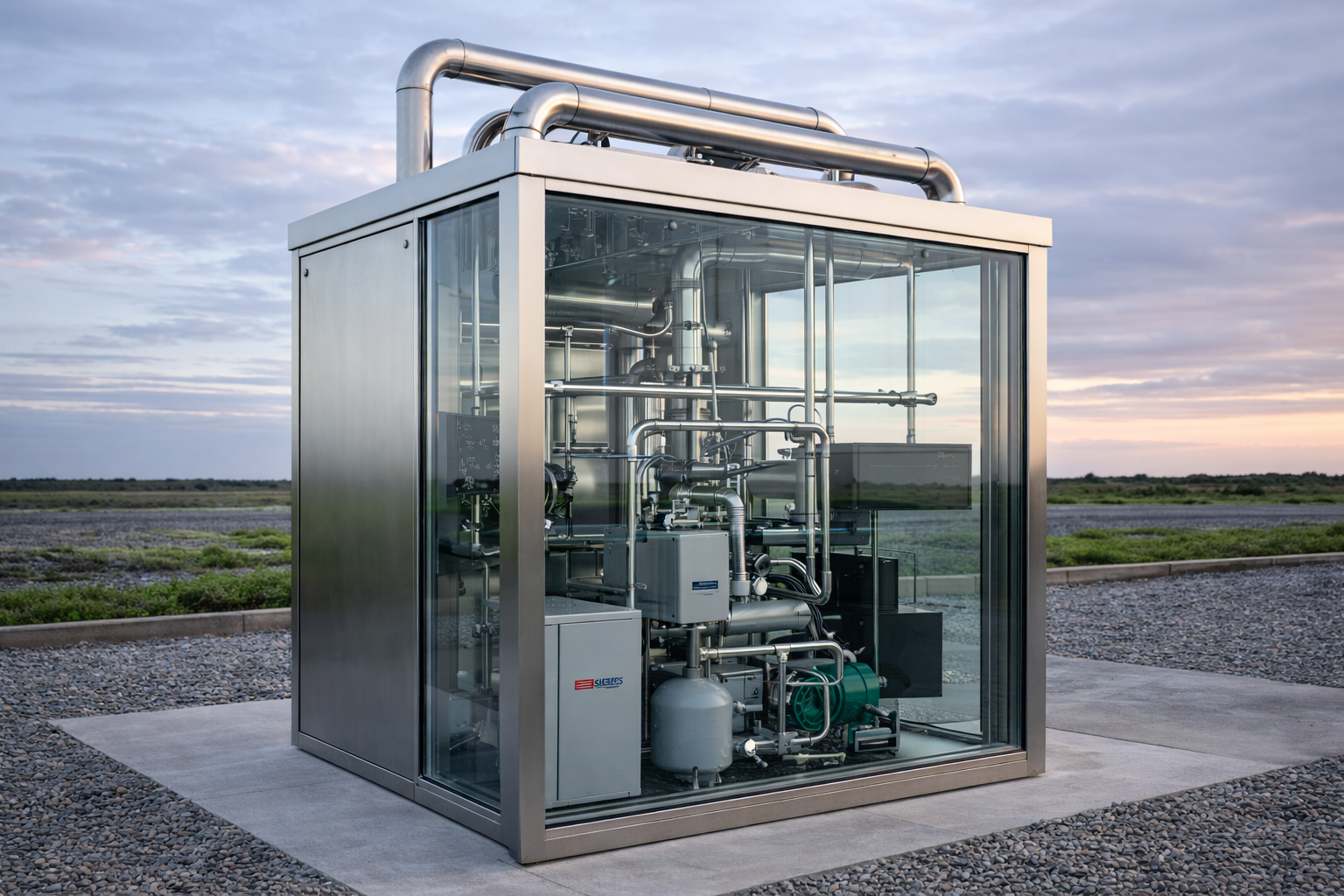
The Company’s core platform is a modular hydrogen-based power system that integrates on-site hydrogen production with continuous power generation. This platform is being advanced to support data centres and high-performance computing infrastructure, as well as industrial, mobile, and other mission-critical applications requiring reliable, dispatchable power.
Global Power Solutions is advancing initial commercial demonstration projects and early deployment opportunities to validate system performance and support broader commercialization. The Company’s development roadmap is aligned with growing demand for resilient, decentralized power and infrastructure solutions across North America and select international markets.